Managed Website vs. DIY or Freelancer for Solo Practices
A solo practitioner launches an independent practice and immediately hits the same crossroads. Between client delivery, scheduling calls, chasing payments, and doing the actual billable work, there are barely enough hours left in the week. Yet prospects still look you up online before they ever book a call, which is why solo consultants regularly ask r/smallbusiness whether to build a site themselves, hire a freelancer, or hand it to a managed service [1].
The answer has very little to do with who can drag and drop a prettier homepage. It comes down to what happens during the twelve months after launch day.
Your website is your authority, not your second job. If you love tinkering with site builders and your practice leaves plenty of spare hours, doing it yourself can work fine. For most solo practitioners and consultants, though, spending a Saturday afternoon debugging a broken contact form or testing mobile layouts is an expensive use of billable time.
The Real Difference Between Tools, Freelancers, and Ownership
Most solo owners compare these three options on upfront price alone, which hides who actually owns the work once the site goes live. As Econobyt points out, there is a fundamental split between buying software tools and buying an ongoing service [2].
- DIY website builders give you templates and hosting, yet writing copy, fixing mobile spacing, checking forms, and keeping pages fresh all stay on your own calendar [2].
- One-off freelancers can build a clean initial site, but ongoing updates are usually billed separately, and solo developers often move on to full-time roles or larger retainers [4].
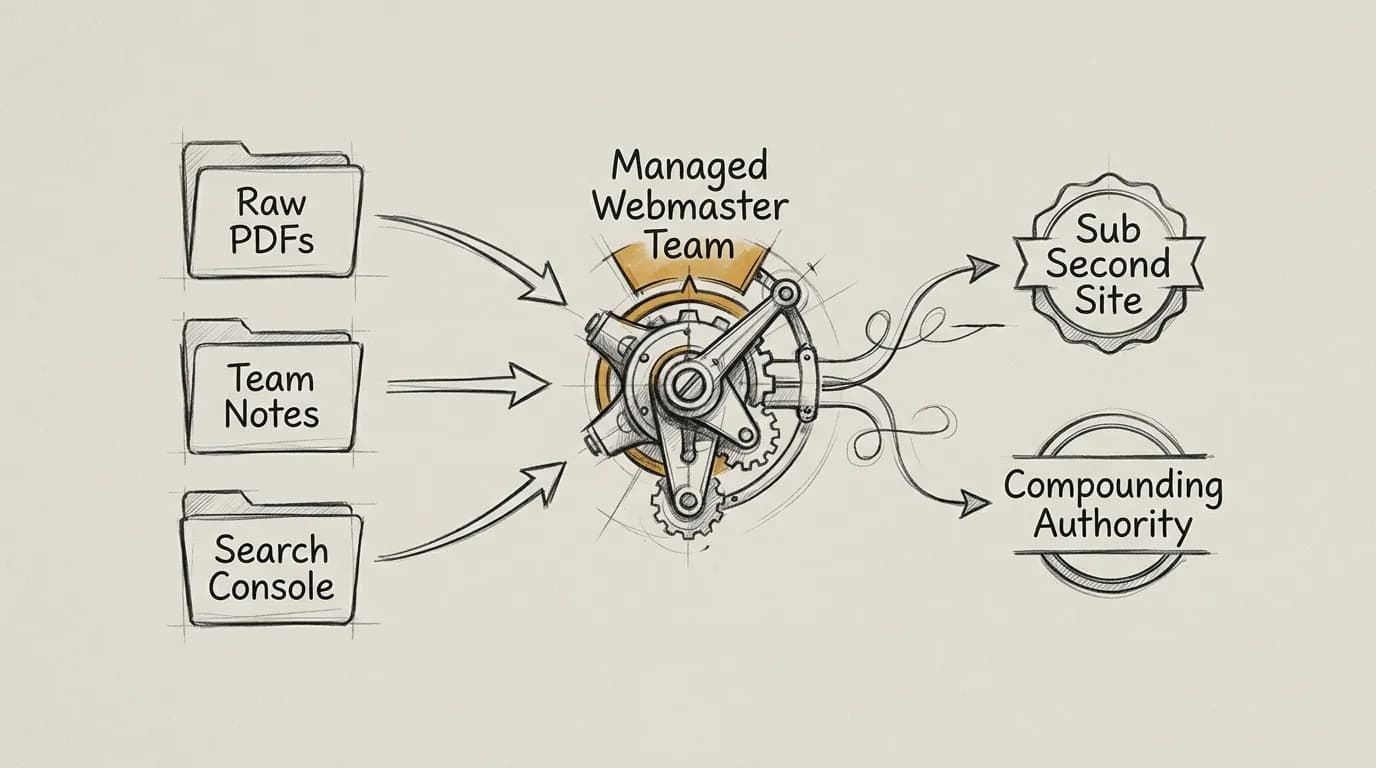
- A managed website service takes ongoing responsibility for the site itself, handling speed, technical upkeep, security, and updates so you never become your own webmaster.
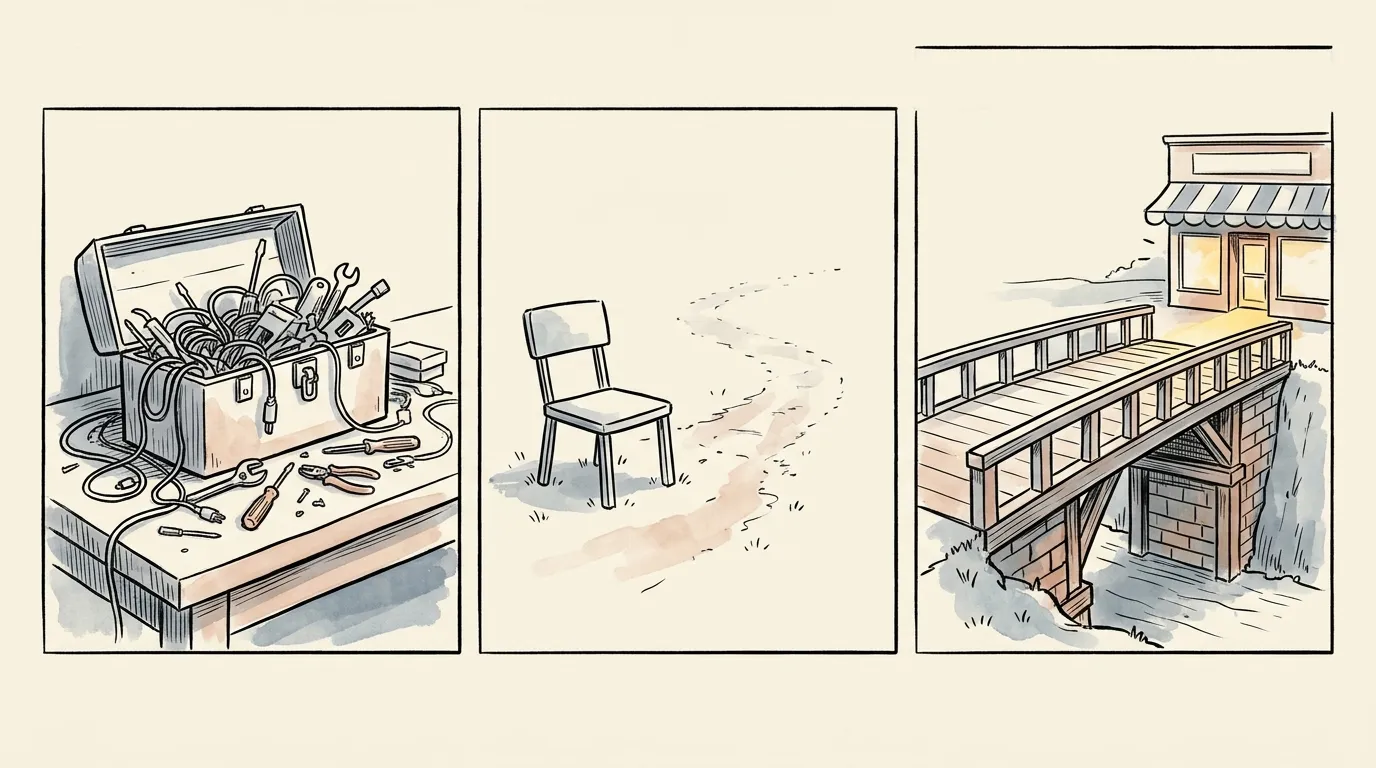
Even a straightforward business site needs roughly one to four hours of routine upkeep in a calm month for updates, backups, security scans, and form testing [3]. When a busy quarter forces you to skip those checks, small issues pile up into sudden breakages or stale pages that make an active practice look closed.
If you would rather spend your best hours serving clients instead of babysitting plugins and broken forms:
Get a managed solo practice website built for fast conversion and steady upkeep.
When DIY or a Freelancer Actually Makes Sense
A managed website is not the right fit for every stage. Being honest about when to keep things in-house saves you money and frustration.
- Choose a DIY builder if you are still testing a side idea, enjoy designing pages on weekends, or want direct hands-on control over every layout tweak.
- Choose a one-off freelancer if you have a clear, fixed scope, someone on your team ready to own post-launch edits, and full admin ownership of your domain and hosting from day one [1].
- Choose a managed service if your practice depends on client trust, you have zero desire to manage technical entries, and you want predictable long-term groundwork rather than sporadic rebuilds.
Understanding why a website stops generating leads usually comes down to that post-launch gap: static sites built once and forgotten slowly lose speed, clarity, and search visibility.
How We Approach Solo Practices at Simple Intake
At Simple Intake, our value is simple: a website designed for you and managed by us, while you keep full ownership of your domain and your data.
You never have to ask which server to pick, how to configure a CDN, how to handle traffic scaling, which content engine to maintain, or how to respond to deployments, security patches, and bot attacks. We handle the entire technical stack and monitor over 30 technical website health indicators in the background, while keeping our entry point accessible for solo practices focused on long-term groundwork rather than one-off builds.
Instead of flashy design gimmicks, we build clean, mobile-first, sub-second pages centered on simple conversion UX. From there, you simply dump your brain asynchronously about your practice, client wins, photos, and questions, and we handle how and when to turn that expertise into live content. Depending on your package, we also connect analytics, pixels, and custom integrations cleanly. We do not practice traditional forced backlink tactics or promise overnight magic; we do consistent, compounding SEO and authority work so your website stays genuinely alive.
Comparing consulting website cost and solution providers shows how a single managed partner replaces juggling separate builders, hourly freelancers, and SEO plugins.
If you are ready to hand off the technical upkeep and focus on winning and serving your clients:
Explore Simple Intake for solo practices and keep your site fast and compounding.