Why Dental Practice Websites Get Traffic but Few Bookings
A dental practice owner invests six months into publishing friendly blog posts about brushing habits and home whitening tips. Traffic climbs steadily in Google Analytics, yet the front desk calendar looks the same as it did last winter.
That exact frustration surfaced on r/localseo, where a clinic doubled its monthly visits with home-remedy articles only to realize visitors were searching for DIY fixes rather than local dental care [1].
Patients do not book a dental chair because they enjoyed a general tip about enamel. They book when a clinic's website answers their treatment question clearly, loads fast on a phone, and gives them an immediate way to claim a slot when tooth pain hits at 9 PM.
Why Dental Traffic Rarely Turns Into Booked Chairs
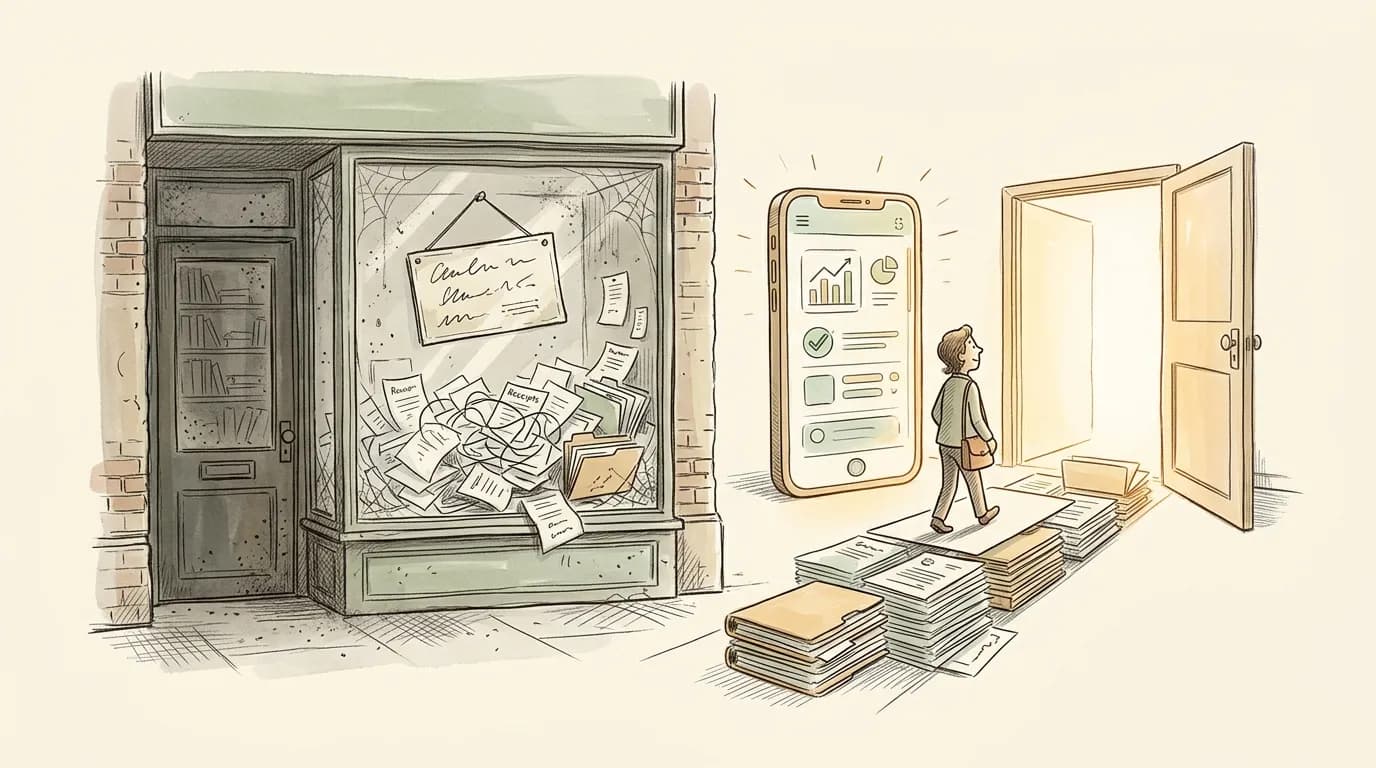
Most dental websites are built like static digital brochures with a phone number in the corner. That setup worked when patients only called during weekday office hours, yet patient behavior has shifted sharply toward mobile and after-hours research.
After-Hours Demand Fact: Research published in the National Library of Medicine shows 85% of dental appointments are still booked by phone, yet 43% of patients search for a dentist after hours, and roughly one-third of inbound clinic calls hit voicemail where most callers never leave a message [2].
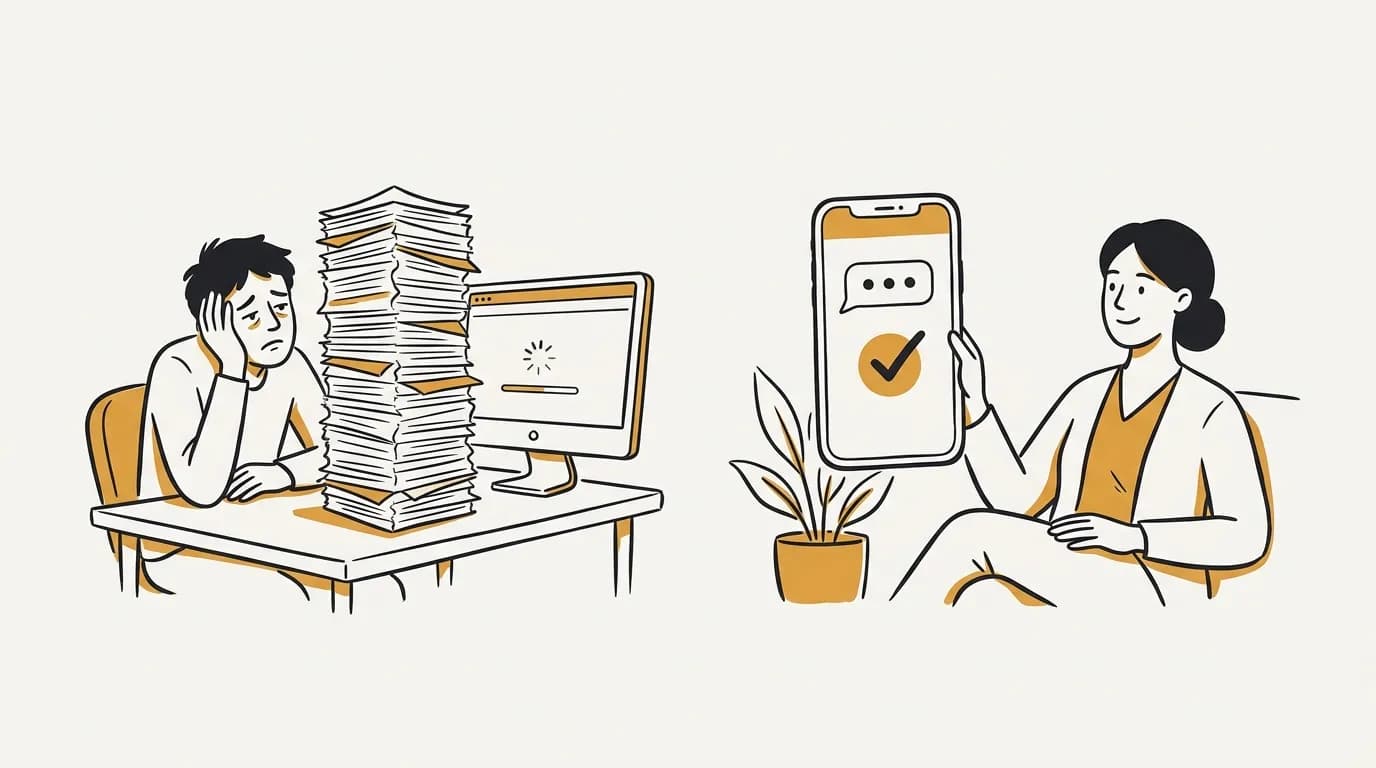
When a patient searches on their phone at night and hits a slow site with no clear next step, they simply tap the next local clinic on the map.
Mobile Research Benchmark: According to dental conversion benchmarks citing Journal of the American Dental Association data, 89% of patients research online before choosing a dentist, and 60% to 70% of dental website visits happen on mobile devices [4].
If your site relies on heavy animations or forces a patient to wait until morning just to ask about an opening, you lose high-intent local bookings before your front desk even unlocks the door.
If you would rather focus on patient care while your website captures after-hours inquiries cleanly:
Get a managed dental website engineered for fast mobile conversion.
What Local E-E-A-T Audits Reveal About Dental Websites
Even when a clinic ranks in Google Maps, thin or inconsistent pages quietly cost it trust and organic visibility. A BrightLocal investigation comparing two competing dental clinics within a mile of each other uncovered how quickly small technical and content gaps add up [3].
Local Content & Trust Benchmark: In BrightLocal's dental rankings audit, 68% of the trailing clinic's pages contained sparse content under 500 words, while 62% of consumers say they avoid businesses with inconsistent online details and 36% check at least two review sites before booking [3].
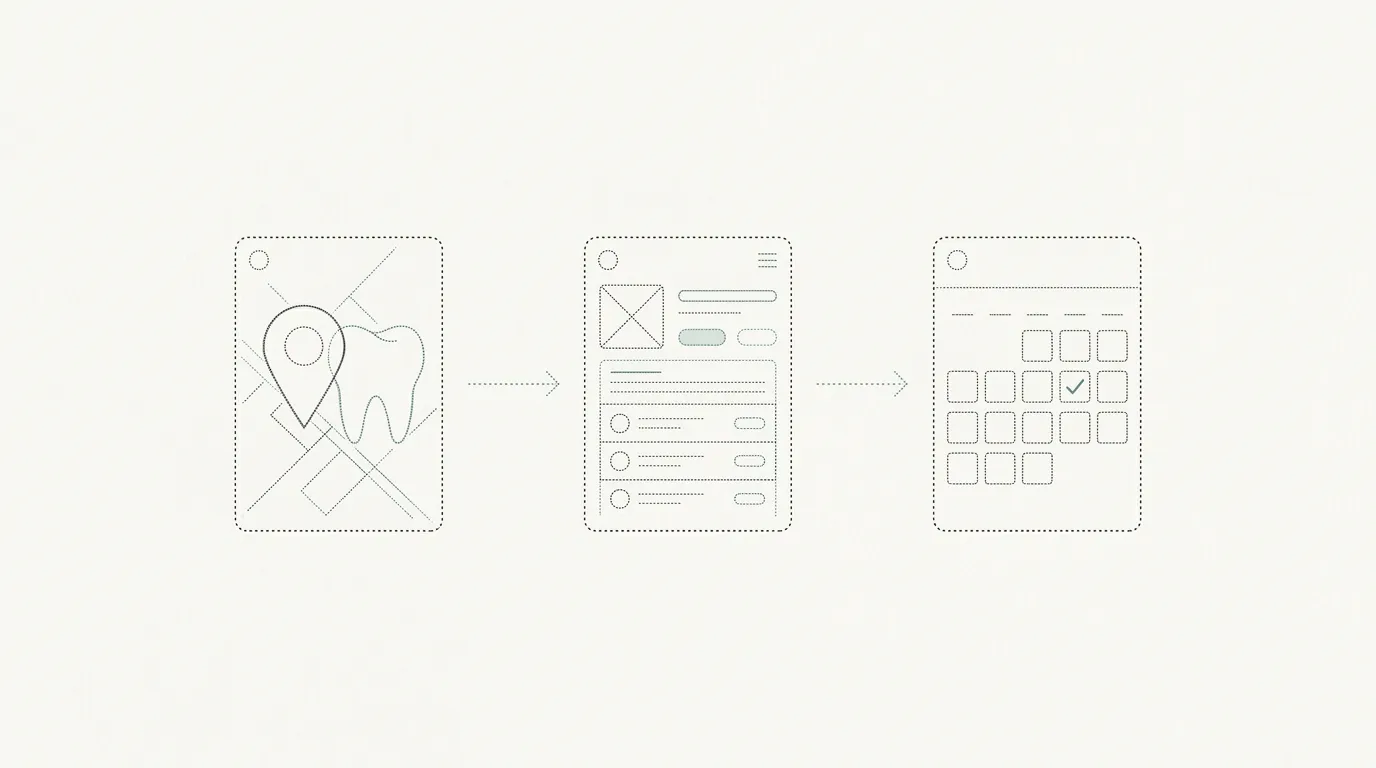
Healthcare is also the top category where prospective patients want to see real photos of the clinical team and clear practitioner credentials [3]. Adding structured ProfilePage schema, dedicated pages for implants, emergency care, or orthodontics, and accurate clinic hours gives both Google and AI assistants concrete proof of Experience, Expertise, Authoritativeness, and Trustworthiness (E-E-A-T) [3].
Just as we saw in our look at why wellness websites get visitors but few booked clients, generic single-page templates hide the exact treatment details patients need before they trust a clinic.
How Real-Time Scheduling and Fortified Intake Lift Attendance
Making it effortless to book does not just increase the number of inquiries; it improves whether patients actually show up in the chair.
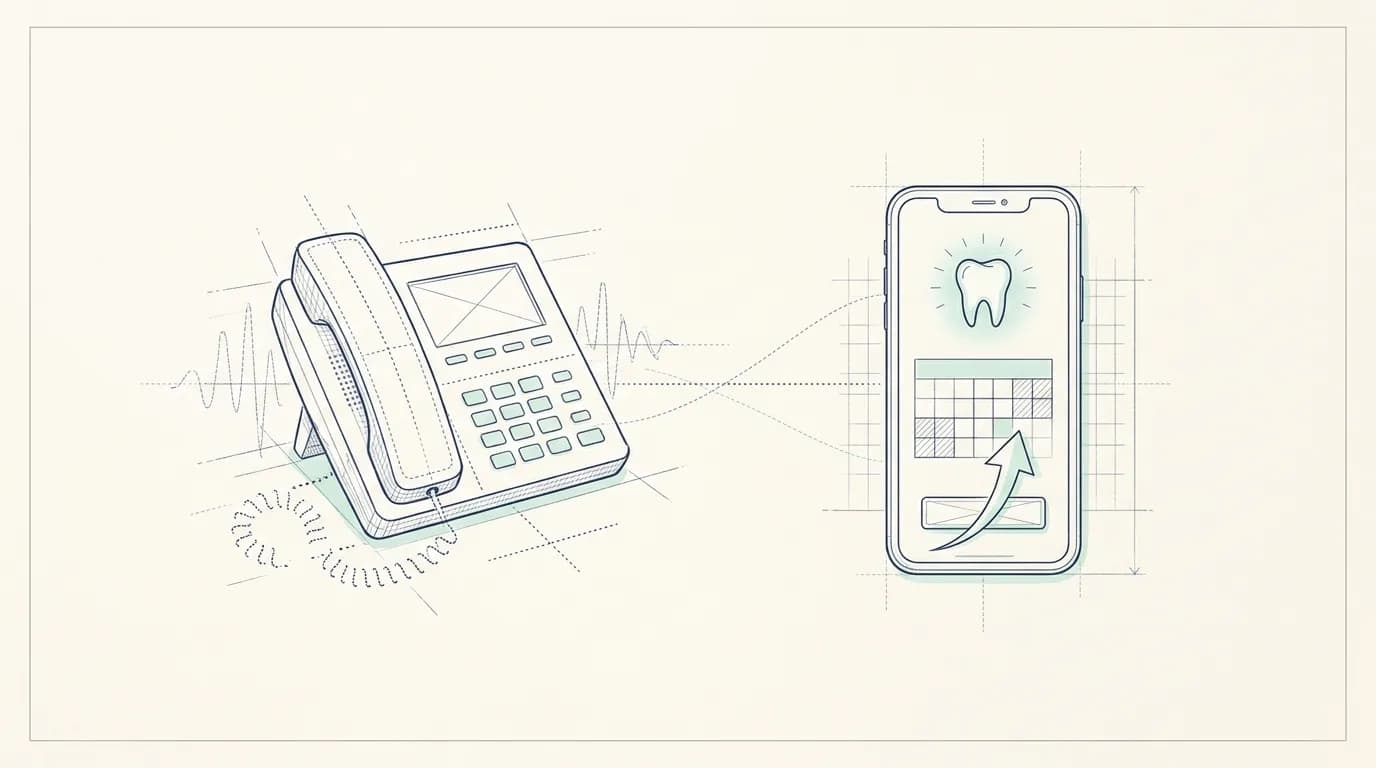
Online Booking Attendance Fact: Clinical scheduling research shows 40% of appointments booked online are for the same or next day, and patients who choose their own slot online are nearly 9% more likely to keep the appointment [2].
Average dental websites convert only 3% to 5% of visitors, whereas practices with clear treatment pages, strong trust signals, and low-friction booking reach 8% to 15% [4]. Equally important, contact and booking forms must be fortified against automated bot spam so real patient inquiries reach your front desk inbox or phone cleanly rather than getting buried in junk submissions.
As we outlined in why a website stops generating leads, speed, clarity, and reliable routing matter far more than flashy visual gimmicks.
How Simple Intake Keeps Dental Websites Fast and Compounding
At Simple Intake, we build clean, mobile-first, sub-second websites around how patients actually choose and book a clinic, while you retain full ownership of your domain and data. You never have to manage servers, CDNs, security patches, fortified form spam protection, or the 30+ technical health indicators behind Search Console, sitemap.xml, and robots.txt hygiene.
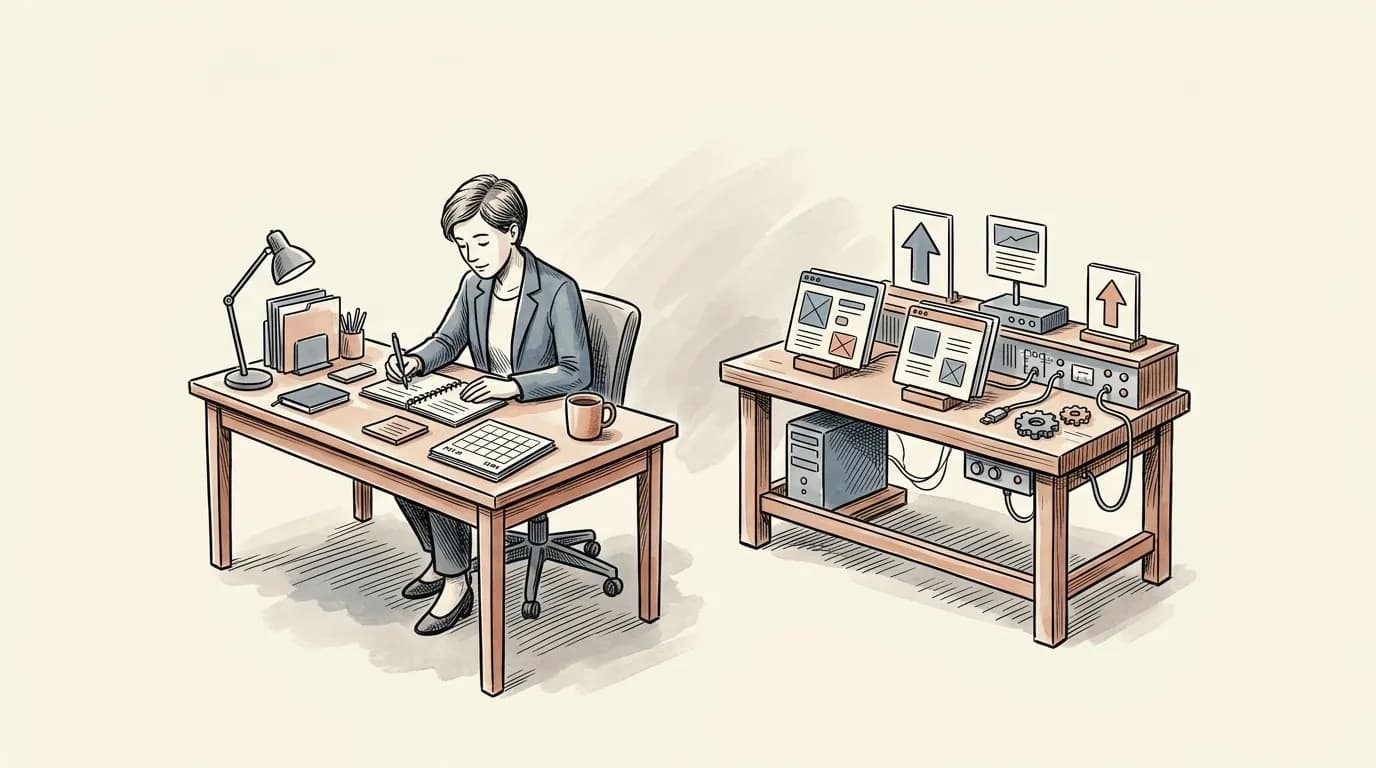
Instead of asking dentists or office managers to write articles after a full clinical day, you simply share raw treatment notes, common patient questions, or clinic updates asynchronously. Our team pairs those insights with verified research to publish structured treatment guides and keep your pages updated over time, with custom real-time booking or bilingual localization layered in whenever your practice needs them, as detailed in service business website management.
If your practice is ready to turn local searches and after-hours visits into steady, qualified patient bookings:
Explore Simple Intake for clinics and keep your site fast and compounding.