Why Contractor Websites Lose Calls and How to Fix Yours
A homeowner's water heater leaks across the basement floor at 9 PM. She pulls out her phone, searches for an emergency plumber nearby, and taps the first local result. The page sits white for four seconds, then shifts as a stock photo finally loads. She hits back, taps the next contractor, sees a clean phone button and her neighborhood name, and books the job in thirty seconds.
If you run an HVAC, plumbing, electrical, or roofing crew, that lost call never shows up in your dispatch log. Your trucks were ready, your reviews were strong, and your pricing was fair. The gap was your website architecture, not your trade skill.
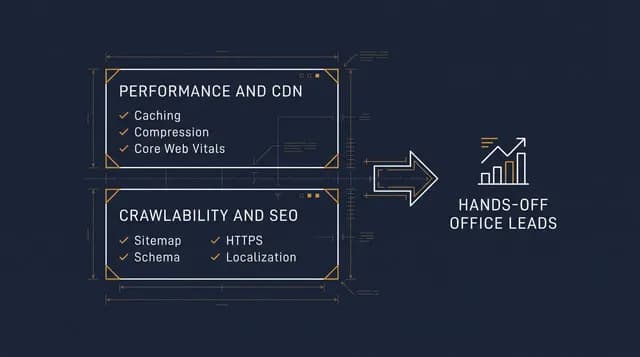
Most contractor websites are built once and left untouched for years. When we look at why a website is not generating leads, the same pattern shows up across local trades: slow mobile pages, generic service copy, and friction-heavy contact forms quietly hand high-intent emergency jobs to competitors.
Why Speed Decides Who Gets the Emergency Call
When a homeowner is standing ankle-deep in water on a freezing night, they are not browsing five tabs to compare your layout. They just want to know you are nearby, you answer the phone, and you can get a truck out. If your site makes them stare at a blank white screen on mobile, they assume your service is just as slow and tap the next name on the map.
Mobile Speed Reality: Standard template sites average 8 to 13 seconds to load on mobile, yet 53% of mobile visitors leave if a page takes longer than 3 seconds [1][3].
That single delay quietly costs local trades their highest-urgency calls before anyone ever sees their phone number. When a page opens in about a second instead, homeowners stay long enough to read your reviews and tap to call.
Home Service Conversion Gap: Pages that load in 1 second convert at 3x the rate of 5-second pages, helping top emergency operators reach 17.6% to 22% conversion compared to the 6.7% industry median [1].
Your website should answer faster than a homeowner can hit the back button.
Simple Intake helps you run your site at sub-second speed so emergency calls land in your queue first.
How Local Search and AI Assistants Pick One Contractor
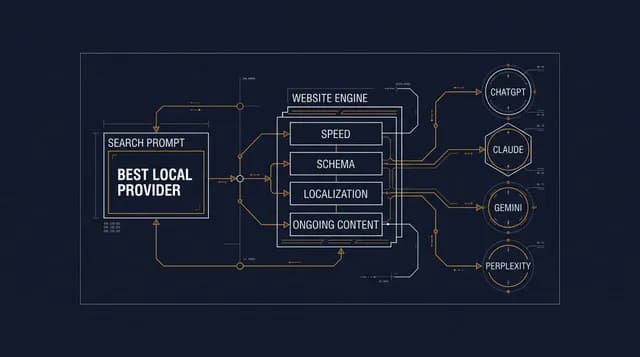
Ranking on a map pack used to be enough. Today, homeowners also ask Siri, ChatGPT, or Google AI Overviews who to call when something breaks at home.
AI Discovery Shift: Industry surveys show 45% of consumers now use AI tools to find local services, and 22% of homeowners go to ChatGPT first instead of traditional search when hiring a contractor [2].
Voice assistants and AI answers rarely hand back a list of ten links. They recommend one or two businesses they recognize as clear local authorities [2]. If your site only has a single "Services" page with three bullet points, search engines and AI tools have nothing concrete to verify.
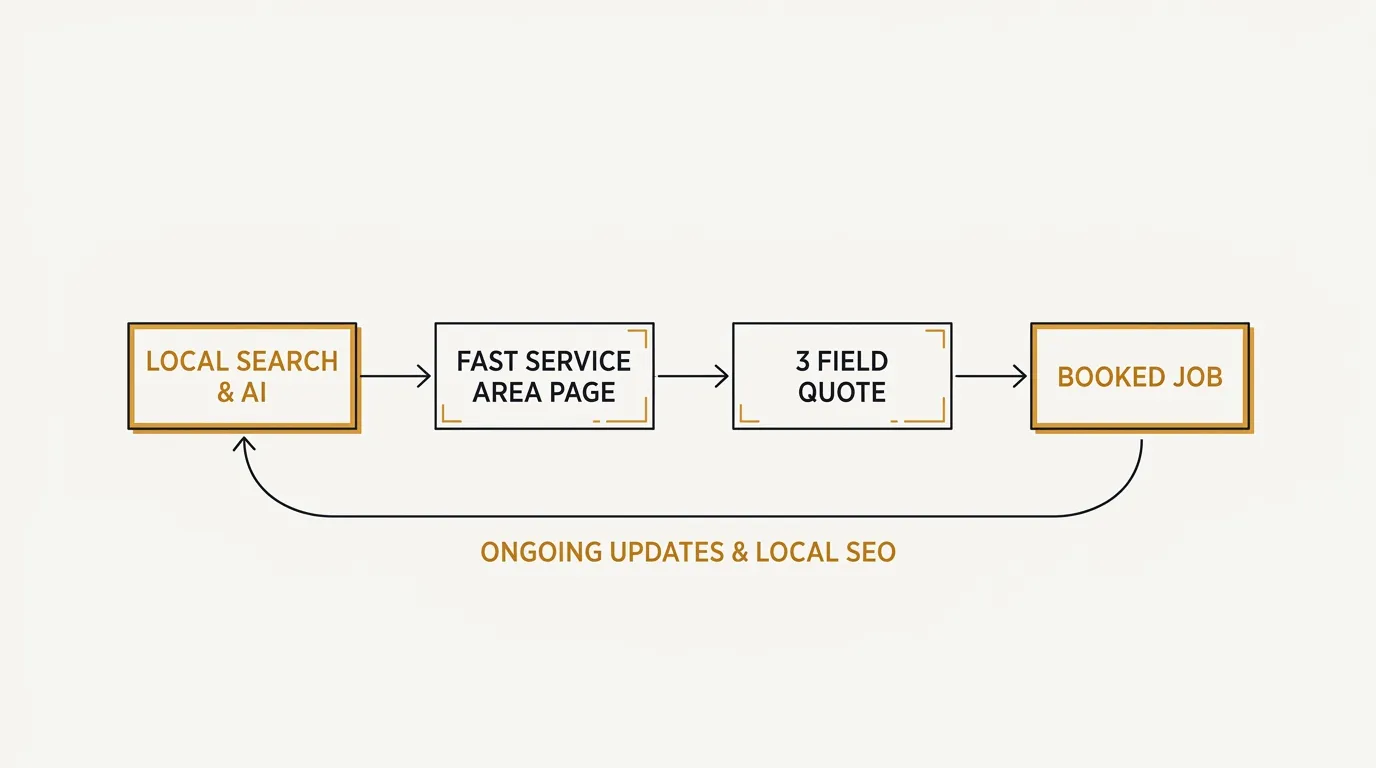
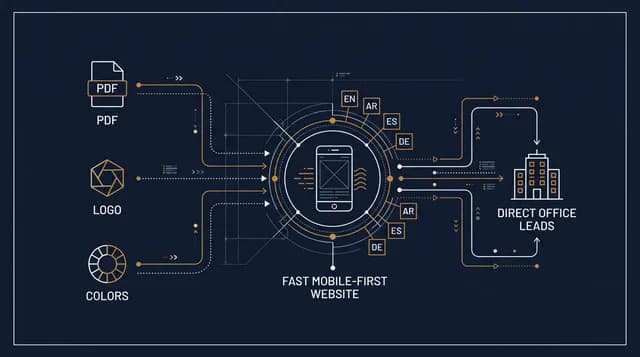
Building that authority takes structured service area pages, clear trade answers, and clean schema markup. Pages that speak directly to specific neighborhoods and regional issues, such as winter pipe bursts or humid summer coil freezes, convert up to 20% better than generic national templates [1]. If your city has bilingual neighborhoods, adding localized Spanish or second-language service pages also captures homeowners who search in their primary language before calling [4].
Why Static Brochure Sites Quietly Stop Working
Many contractors pay an agency once, launch a site, and never hear from that agency again. Six months later, seasonal offers are outdated, new neighborhoods are missing, and nobody is publishing answers to the real questions homeowners ask on the phone every week.
A static brochure site treats your online presence like a printed flyer. A living system treats it like an active front desk. When you work with a managed website for service businesses, your site stays alive through ongoing architecture updates, fresh on-page SEO, and real adjustments as your crew adds services or expands into new zip codes.
At Simple Intake, we do not hand you a template and disappear. Depending on your package, our team learns directly from your field practice, keeps your local service pages and authority guides updated, and scales the setup to fit your crew size and budget. A website built once and forgotten slowly stops talking to the customers searching in your area.
Simple Intake pairs you with a team that keeps your site updated and localized as your trade grows.
Turning Visits Into Booked Dispatch Without Friction
Getting the homeowner onto a fast local page is half the battle. The other half is what happens in the ten seconds after they decide to reach out.
Long ten-field forms kill emergency conversions when someone is stressed and holding a phone in one hand. Asking only for name, phone number, and the service needed gives your crew enough to act without making the homeowner type out their whole story. Pairing that short form with a clear tap-to-call button and real Google reviews right on the page builds instant trust, especially since 87% of consumers check Google reviews when evaluating local home service pros [1].
Short Form Lift: Trimming a contractor quote form from five fields down to three essential fields can lift conversions by up to 25% [1].
Once a homeowner hits submit, how fast your office follows up decides whether you win the job. Your website should route every quote request straight to your dispatch phone or inbox the instant it arrives.
Speed to Lead: Responding to a web inquiry within 5 minutes makes a contractor 9x more likely to win the job compared to replying 30 minutes later [1].
Three short fields and an instant alert beat a ten-question form sitting in an unchecked inbox.
Let Simple Intake streamline your quote flow so every local visit turns into a fast, qualified dispatch call.